Electricity in Kenya: KPLC Tokens, Bills, and How to Save Money
By Makao Match Team
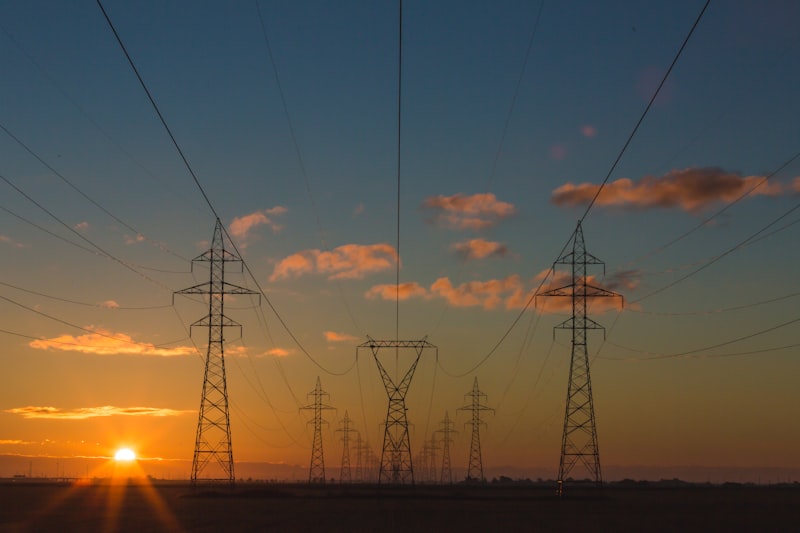
Electricity is the bill that ambushes people. It arrives, or the tokens run dry, always a little higher than you braced for, thanks to a mix of unit prices, fuel adjustments and habits you never think about. The good news is that it's one of the most controllable costs you have, once you understand where the money actually goes.
Prepaid or postpaid, which suits you
Most renters are on prepaid tokens, and for good reason: you buy exactly what you need, and when the units run out, so does the spending, no nasty surprise at month-end. It carries a standing charge of about KES 200 a month baked into the token price, with the fuel levy already included. Postpaid billing, at roughly KES 150 a month standing charge plus the levy added on, suits families and businesses who'd rather not top up constantly, but it comes with the classic risk of a shock bill and disconnection for late payment. For a single, budget-minded tenant, prepaid almost always wins on control.
Buying tokens without the faff
Topping up is quick once you know the route: on M-Pesa it's Pay Bill to 888880, then your meter number; the KPLC "My Power" app lets you add a meter and buy directly; and most banking apps handle it too. One small timing trick genuinely pays, the first roughly 50 units each month are subsidised at a lower rate, so buying toward month-end can stretch your shilling a little further.
Knowing what's normal
It helps to know whether your usage is sane. A bedsitter running just lights and phone charging burns maybe 30 to 50 units a month, around KES 800 to 1,500. Add a fridge, TV and iron in a one-bed and you're at 80 to 150 units, roughly KES 1,500 to 3,500. A two-bed family with a washing machine and oven climbs to 200 to 400 units (KES 3,500 to 7,000), and a home office humming with AC and screens can hit 300 to 500 units, KES 5,000 to 10,000. If you're wildly above your bracket, something's leaking money.
Where the savings really are
Two big levers dwarf the rest. Cooking is the single largest electric drain, so doing it on gas instead of an electric cooker slashes the bill more than any other change. Heat is the other culprit, the iron and any electric water heater guzzle power during warm-up, so iron in bulk and use a solar water heater if the building has one. After that come the easy habits that quietly add up: switch to LED bulbs (around 80 percent less than the old incandescents), unplug chargers and idle appliances since phantom draw is real, keep the fridge at a sensible 3 to 4°C rather than needlessly colder, air-dry clothes, and lean on daylight instead of switching on lights. When you're buying appliances, the KS EAS energy label is worth seeking out. When you're viewing a home on Makao Match, ask whether the meter is prepaid or postpaid and what a typical month costs, it can save you thousands.