Generator vs Solar vs UPS: Backup Power Options for Kenyan Homes
By Makao Match Team
Kenya Power outages aren't an emergency so much as a scheduled part of life, and the right backup isn't about buying the biggest machine, it's about protecting the specific thing you can't afford to lose when the lights go. Work backwards from that, and the choice makes itself.
If what you can't lose is your work
For a remote worker, the disaster isn't darkness, it's dropping off a call mid-sentence. A UPS or inverter is your minimum and often your whole answer: for KES 5,000 to 15,000 it'll keep a laptop, phone, router and a few lights alive for two to six hours, which outlasts most outages. Something like an APC Back-UPS 650VA at around KES 8,000 buys you three or four hours of uninterrupted working, enough to make the blackout somebody else's problem.
If what you can't lose is the household running
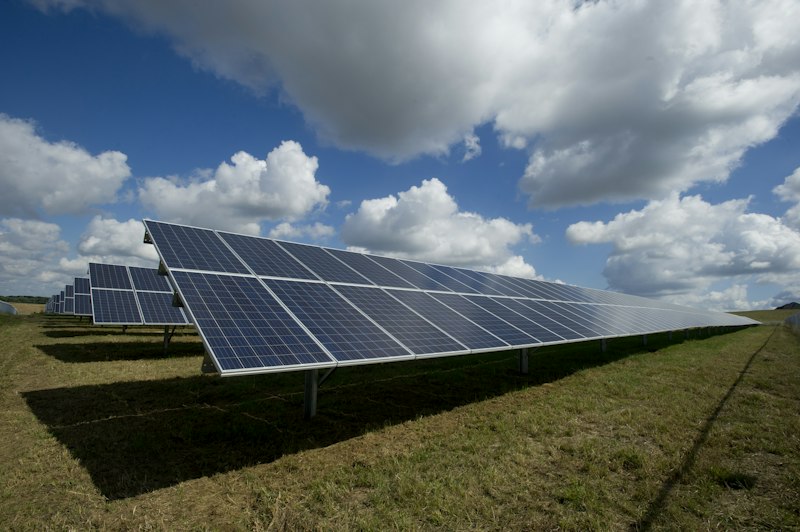
For a family, the goal is keeping lights, the TV and phone charging going through the evening without drama. A solar panel kit with battery storage, roughly KES 15,000 to 80,000 depending on size (with a comfortable family setup around KES 30,000 to 50,000), does exactly that and then keeps paying you back, through lower electricity bills it often recovers its cost within one to two years.
If what you can't lose is everything, including the fridge
When you need the whole home to shrug off an outage, fridge, AC and all, a portable generator is the honest tool for the job. Expect KES 25,000 to 80,000, and eight to twelve hours of full power per tank of fuel. It's the loudest, thirstiest option, but nothing else keeps a household truly running.
The option that costs you nothing extra
The cheapest backup is the one that's already installed. Many apartment buildings have their own generator, and if so it's bundled into your rent. That makes it a question to ask before you sign, not after, and a specific one. Ask whether generator power is included or charged extra, how fast it kicks in after an outage, and crucially what it actually powers, because some building generators run only the shared lights and water pumps, not the sockets inside your unit. Get a clear answer and you might not need to buy anything at all.
Plan your backup around your one non-negotiable, sort it out before move-in day, and a blackout becomes a shrug instead of a scramble.